Introduction
Looking for a solution to save space and energy? A fan light could be the answer. This versatile fixture blends the benefits of a ceiling fan and a light source into one compact design.
In this article, we will explore the purpose of fan lights, their various types, and how they can improve comfort and efficiency in your space. You'll also learn about the importance of smart features, like the Fan Light Controller, and how they enhance functionality.
Understanding the Purpose of a Fan Light
The Dual Functionality of Fan Lights
Fan lights serve a dual purpose that sets them apart from traditional lighting and fan fixtures. By integrating a fan and light into a single unit, fan lights allow for the simultaneous circulation of air and illumination in a room. This is especially beneficial in spaces like living rooms or bedrooms, where both light and ventilation are required. The fan circulates the air, while the light provides necessary brightness, improving comfort and energy efficiency.
Practical Benefits of Fan Lights
Fan lights offer numerous practical benefits beyond their aesthetic appeal. They reduce the need for separate fixtures by combining air circulation and lighting into one. This can save space, especially in smaller rooms. Additionally, fan lights are highly versatile, serving as a focal point in both modern and traditional home decor. They also provide an opportunity to enhance room comfort, offering a consistent breeze while illuminating the space.
Energy Efficiency and Space Savings
One of the key benefits of fan lights is their energy efficiency. By incorporating both lighting and ventilation in one fixture, fan lights can reduce the reliance on air conditioning and additional lighting, helping homeowners cut down on electricity costs. Many modern fan lights now use LED technology, which further improves energy savings. This space-saving feature is also crucial for smaller rooms, as it eliminates the need for bulky separate fans and light fixtures.
Types of Fan Lights and Their Uses
Ceiling Fan Lights
Ceiling fan lights are the most common type of fan light. These fixtures are typically mounted directly on the ceiling, offering both lighting and air circulation in one unit. Ideal for larger spaces, they come in various styles and sizes to suit different room layouts. Many modern ceiling fan lights feature adjustable speeds and brightness levels, allowing users to control the airflow and illumination according to their preferences.
Table Fan Lights
Table fan lights are a portable option that combines a fan and light in a compact design. They are ideal for smaller spaces or areas where ceiling fan lights might not be practical. Table fan lights can be moved easily from one location to another, making them perfect for use in bedrooms, home offices, or reading nooks. Many models also feature adjustable settings for both the fan speed and light intensity, offering customizable comfort.
Wall-Mounted Fan Lights
Wall-mounted fan lights are designed for spaces where ceiling or table fans may not fit. These fan lights are mounted on the wall, making them perfect for smaller rooms or areas that require efficient use of space. Wall-mounted fan lights provide the same benefits as ceiling-mounted units, including airflow and illumination, but in a more compact form. Their versatility and minimalistic design make them ideal for modern apartments or offices.
Outdoor Fan Lights
Outdoor fan lights are designed for use in outdoor environments such as patios, porches, or garden spaces. These fan lights are built with weather-resistant materials to withstand the elements, providing both lighting and cooling for outdoor gatherings. They are especially useful during the summer months, as they provide a refreshing breeze while keeping the area well-lit.
Type of Fan Light | Features | Best For |
Ceiling Fan Lights | Combines lighting and air circulation, comes in various styles | Large rooms, living rooms |
Table Fan Lights | Portable, adjustable brightness, compact design | Small spaces, home offices |
Wall-Mounted Fan Lights | Space-saving, adjustable air circulation | Smaller rooms, modern designs |
Outdoor Fan Lights | Weather-resistant, provides lighting and cooling outdoors | Patios, porches, outdoor spaces |

How Fan Lights Work and Their Mechanisms
Integration of Fan and Light Components
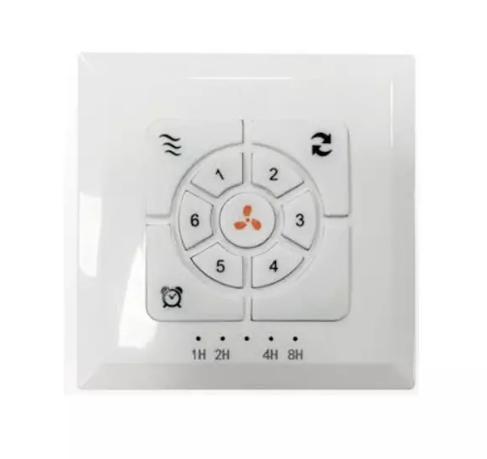
The mechanism behind a fan light is relatively simple yet highly efficient. A fan light combines the operation of a fan and a light fixture into a single unit. The fan's motor powers the blades to circulate air, while the light is typically powered by a separate electrical source. Many fan lights come with built-in controllers, allowing users to operate both the fan and light independently or simultaneously. Some fan lights also feature smart technology, enabling users to control the fan speed and light intensity through mobile apps or voice commands.
Smart Features in Modern Fan Lights
Modern fan lights have evolved to include smart features that make them even more convenient to use. Many fan lights now come equipped with smart controllers, such as remote controls, voice assistants (e.g., Alexa, Google Assistant), and mobile apps. These smart fan light controllers allow users to adjust the fan speed and light brightness from anywhere in the room. The integration of smart features also makes it easier to customize the fan light settings based on the time of day or personal preferences, improving overall convenience.
Operation Modes: Forward & Reverse Rotation
Fan lights with reversible blades provide even more flexibility by allowing users to switch between forward and reverse operation. During the summer, the fan operates in the forward direction to create a cooling breeze. In winter, the fan reverses direction to circulate warm air from the ceiling down to the floor, helping to evenly distribute heat throughout the room. This feature not only improves comfort but also contributes to energy savings by reducing the need for additional heating or cooling.
The Aesthetic Role of Fan Lights in Home Decor
Fan Lights as Design Elements
Fan lights are more than just functional appliances—they can also serve as key design elements in a room. Available in a wide range of styles, fan lights can complement various design themes, from modern minimalism to rustic charm. A well-chosen fan light can elevate the ambiance of a room, providing both lighting and visual appeal. Whether you prefer sleek chrome finishes or vintage wrought iron designs, there is a fan light option that fits your aesthetic preferences.
Customization Options for Fan Lights
Many fan lights offer customizable features, allowing homeowners to select the perfect design, material, and finish for their space. Some fan lights come with interchangeable light shades, while others offer different blade styles or motor finishes. With the availability of a wide variety of designs, colors, and materials, fan lights can easily be tailored to suit the unique decor of any room. Whether you want a bold statement piece or a subtle accent, fan lights can be adjusted to enhance your interior design.
Choosing the Right Fan Light for Your Home
When selecting a fan light, several factors should be considered to ensure that the fixture meets both functional and aesthetic needs. First, consider the size of the room and the height of the ceiling. Larger rooms may require more powerful fan lights, while smaller spaces may benefit from compact or portable options. Next, think about the overall design theme of the room—choosing a fan light that complements the decor will create a cohesive and polished look.
Energy Efficiency and Sustainability in Fan Lights
LED Technology and Energy Savings
Fan lights equipped with LED technology are more energy-efficient than traditional lighting fixtures. LED bulbs consume less power while providing brighter illumination, making them a popular choice for fan lights. The energy-efficient nature of LED fan lights helps reduce electricity bills, while the longer lifespan of LED bulbs means fewer replacements and less waste over time. LED fan lights also contribute to sustainability efforts by reducing energy consumption.
Reduced Need for Air Conditioning and Lighting
Fan lights contribute to energy savings by reducing the need for separate air conditioning units and light fixtures. By combining both functions, fan lights eliminate the need for multiple appliances, helping homeowners save both space and energy. This dual functionality also minimizes the strain on HVAC systems, as fan lights provide adequate ventilation while maintaining a comfortable temperature in the room.
Common Issues with Fan Lights and Troubleshooting Tips
Flickering Bulbs and Loose Connections
Flickering bulbs or intermittent lighting issues can occur when the bulb or light fixture is not securely connected. To resolve this issue, check the light fixture for loose connections or damaged wires. If the problem persists, consider replacing the bulb or consulting an electrician to inspect the fan light system.
No Simultaneous Operation of Fan and Light
If the fan and light do not operate simultaneously, it could indicate an electrical issue. Ensure that both the fan and light are connected to the same power source and that the switches are functioning properly. If the issue continues, you may need to replace the switch or seek professional help.
Regular Maintenance for Longevity
To extend the lifespan of your fan light, regular maintenance is essential. Dust the fan blades and light fixture regularly to ensure optimal performance. Check the fan's motor and electrical connections for any signs of wear or damage. Replacing worn-out components and cleaning the fan light periodically will ensure it continues to function efficiently for years.
Problem | Possible Cause | Solution |
Flickering light | Loose connections, damaged bulb | Check wiring, replace the bulb if necessary |
Fan and light don't operate simultaneously | Faulty switch or electrical issue | Inspect switch, check connections, or consult a professional |
Noisy fan | Dirt buildup or motor issue | Clean fan blades, check motor for damage |
Conclusion
Fan lights offer both functional and aesthetic benefits, making them a valuable addition to modern homes and businesses. By combining air circulation and lighting, they provide an energy-efficient solution that saves space and enhances comfort. Whether you choose ceiling, table, or wall-mounted models, fan lights with smart technology and energy-saving features are versatile for any space. GUANGDONG SHUNDE SANKEY ELECTRONIC TECHNOLOGY CO.LTD offers innovative fan light solutions that ensure both style and efficiency for your home or office.
FAQ
Q: What is the purpose of a fan light?
A: A fan light combines air circulation and illumination in one unit, offering both lighting and ventilation. It enhances room comfort and energy efficiency, making it a space-saving solution.
Q: How does a Fan Light Controller work?
A: A Fan Light Controller allows users to adjust the fan speed and light brightness with ease. It can be controlled via remote, app, or voice commands, providing greater convenience and customization.
Q: Can a fan light help save energy?
A: Yes, fan lights are energy-efficient as they combine lighting and ventilation in one fixture, reducing the need for separate air conditioning or multiple light sources.
Q: What are the benefits of using a Fan Light Controller?
A: A Fan Light Controller helps customize your comfort by allowing you to control fan speeds and light settings. It enhances convenience and energy savings, making it ideal for modern homes.
Q: Are there different types of fan lights available?
A: Yes, fan lights come in various types such as ceiling fan lights, table fan lights, and wall-mounted fan lights, each offering unique benefits for different spaces and needs.
Q: Why should I choose a fan light over separate fans and lights?
A: A fan light combines two essential functions—air circulation and lighting—into one unit, saving space, improving efficiency, and providing a more streamlined design.
Q: What is the role of a Fan Light Controller in a smart home?
A: In a smart home, a Fan Light Controller allows seamless integration with other devices, enabling you to control the fan light via voice assistants or mobile apps for added convenience and energy savings.