Introduction
Ceiling fan controls are key to adjusting your fan’s speed, direction, and lighting. The right controller ensures comfort, energy savings, and ease of use.
In this article, we’ll explore the different types of ceiling fan controllers and help you choose the one that best suits your needs. Understanding these options is essential for efficient fan operation and improved indoor climate control.
Types of Ceiling Fan Controls
Ceiling fan controls come in various types, each offering different features and functionalities. The type you choose depends on your space and personal preferences. Let's explore the most common types:
Wall Controls
Wall controls are one of the most common and convenient methods for controlling ceiling fans. They are either wired or wireless and provide easy access to adjust the fan's speed, direction, and lighting. Wall controls are perfect for spaces where a permanent and reliable control system is needed.
Wired Wall Controls
Wired wall controls are installed directly onto the wall and are connected to the fan’s power source. These controls typically feature a dial or switch to adjust the fan's speed or control the lighting. They are simple, reliable, and provide a fixed solution to fan management. The major benefit is their accessibility—there's no need to worry about misplaced remotes or batteries.
Wireless Wall Controls
Wireless wall controls are a modern option that uses radio frequency to communicate with the ceiling fan. These controls don’t require extra wiring, offering more flexibility and a cleaner, more streamlined look. Wireless controls are ideal for spaces where minimal wiring is preferred, yet you still need full control of the fan.
Remote Controls
Remote controls provide greater flexibility in controlling your ceiling fan. With these, you can adjust settings from anywhere in the room without needing to get up or walk to the wall. Remote controls come in two main forms:
Handheld Remotes
Handheld remotes are the most popular option for modern ceiling fans. They allow you to control not only the fan’s speed and direction but also the lighting. This flexibility is ideal for rooms with high ceilings or large spaces where reaching a wall control might be difficult. Handheld remotes give users the freedom to adjust the fan from any spot in the room, offering a high level of convenience.
Wall-Mounted Remote Controls
Wall-mounted remote controls combine the functionality of a wall control and a handheld remote. Mounted to the wall, these controllers operate like a remote while offering a more permanent, fixed solution. Wall-mounted remotes are perfect for those who prefer fixed controls but still want the flexibility of a remote for controlling the fan’s speed, direction, and lighting.
Pull Chain Controls
Pull chain controls are a traditional and simple method for controlling ceiling fans. They are still widely used today, especially in older fan models.
Traditional Fan Control
The traditional pull chain control system allows you to adjust the fan’s speed and turn it on or off by pulling a chain attached to the fan. This straightforward system has been used for decades and remains popular due to its simplicity. For individuals who prefer minimalistic controls, pull chains are a good option.
Combination of Pull Chains and Other Controls
Some ceiling fans combine pull chains with other control types, such as wall controls or remote controls. This combination offers more flexibility and convenience. For example, pull chains may control basic fan settings, like speed, while wall or remote controls can adjust the fan's direction or lighting.
Smart Ceiling Fan Controllers
Smart ceiling fan controllers represent the latest advancement in fan control technology. These systems integrate seamlessly with modern smart home setups, offering enhanced functionality and ease of use.
Wi-Fi and App-Controlled Fans
Wi-Fi-enabled fans allow you to control your ceiling fan using a smartphone app or smart home system. These controllers offer the ultimate convenience, enabling you to adjust the fan's speed, set schedules, and even turn the fan on or off from anywhere. This makes it a perfect choice for those looking to automate their fan's operation or integrate it into a larger smart home system.
Voice-Controlled Smart Fans
Voice-controlled smart fans take convenience to the next level. By integrating with voice assistants such as Amazon Alexa or Google Assistant, these fans allow you to control settings simply by speaking commands. For example, you can say "turn on the fan" or "set the fan to medium speed," making it incredibly convenient, especially when your hands are full or you're across the room.
Type | Description | Pros | Cons |
Wall-Mounted (Wired) | Permanently installed, connected to the fan’s power source. | Reliable, always accessible. | Requires wiring, not portable. |
Wall-Mounted (Wireless) | Uses radio frequency to control the fan, no extra wiring needed. | Sleek, minimalistic, no additional wiring. | Requires a battery for operation. |
Handheld Remote | Offers flexibility to control the fan from anywhere in the room. | Convenient for large rooms. | Can be lost, requires batteries. |
Wall-Mounted Remote | Combines wall switch with remote functionality. | Fixed control with wireless flexibility. | Less portable compared to handheld. |
Pull Chain | A traditional option, usually found on older models. | Simple, no need for batteries or wiring. | Limited functionality, less modern. |
Smart Controller | Wi-Fi or voice-controlled fan, part of a smart home setup. | Can be controlled via smartphone/voice. | More expensive, may need professional installation. |

Choosing the Right Ceiling Fan Control
Selecting the right ceiling fan control involves considering a few key factors. Your space, fan features, and installation preferences will influence which control system works best for you.
Factors to Consider
Room Size and Function
The type of control you choose depends on the size of the room and the intended use of the fan. For larger rooms, remote controls or smart controllers may be more suitable as they allow you to adjust the fan’s settings from anywhere in the room. For smaller rooms, traditional pull chains or wall-mounted controls can work just as well.
Ease of Installation
Some ceiling fan controls are easier to install than others. For example, handheld remotes and wireless wall controls are typically user-friendly and require no professional installation. However, smart controllers may need professional setup, especially if they integrate into a smart home system or require additional wiring.
Compatibility
Before purchasing a ceiling fan controller, it is crucial to check its compatibility with your fan. Not all controllers are compatible with every fan model, and each control system may have specific requirements. Make sure to verify that the control you choose works with your fan’s motor type (AC or DC) and any additional features (like lighting or reverse settings).
Benefits of Using the Right Ceiling Fan Control
Increased Comfort
The right ceiling fan controller allows you to adjust your fan’s speed and direction, optimizing comfort throughout the year. In the summer, you can increase the fan's speed to create a cooling breeze, while in winter, adjusting the direction helps circulate warm air more effectively.
Energy Efficiency
Using the correct fan control can greatly improve energy efficiency. Modern ceiling fan controllers, especially smart or electronic models, allow you to fine-tune the fan’s operation, ensuring it runs only when necessary and at the right speed, thus reducing energy consumption and lowering electricity bills.
Ease of Use
Ceiling fan controllers, especially remote and smart versions, offer superior convenience. You can easily adjust your fan's settings from anywhere in the room without needing to get up or reach for a wall switch. This ease of use improves the overall experience, especially in larger or more complex spaces.
Benefit | Explanation |
Increased Comfort | Fine-tune speed, direction, and lighting for optimal comfort year-round. |
Energy Efficiency | Optimize fan operation, reducing energy consumption and lowering costs. |
Ease of Use | Quick and easy adjustments with the right control, especially for large rooms or hard-to-reach fans. |

Conclusion
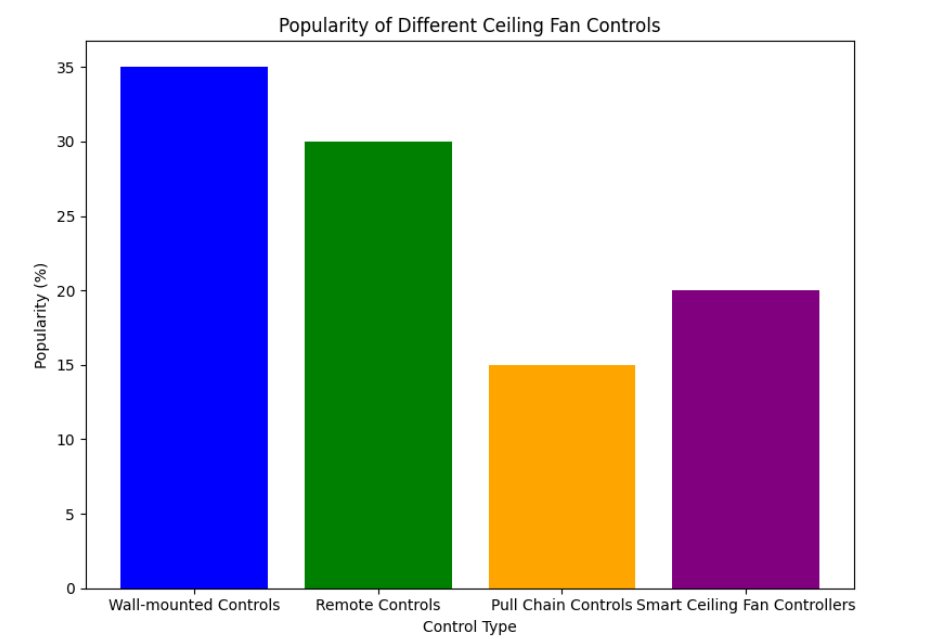
In summary, the different types of ceiling fan controls—wall-mounted, remote, pull chain, and smart controllers—offer unique advantages based on your preferences and space. Consider the room size, installation ease, and compatibility when selecting the best control. Whether you choose a simple pull chain or a smart controller, the right choice will enhance comfort and energy efficiency.
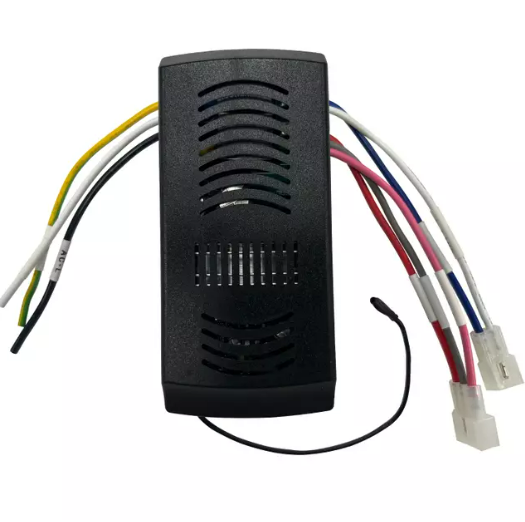
GUANGDONG SHUNDE SANKEY ELECTRONIC TECHNOLOGY CO.LTD offers high-quality ceiling fan controllers that improve functionality and efficiency, ensuring a comfortable living environment.
FAQ
Q: What is a Ceiling Fan Controller?
A: A Ceiling Fan Controller is a device that adjusts a fan’s speed, direction, and lighting. It offers flexibility in controlling your fan settings for optimal comfort.
Q: How do wall-mounted Ceiling Fan Controllers work?
A: Wall-mounted Ceiling Fan Controllers are installed on the wall and directly control the fan’s speed and lights, providing a fixed, reliable control solution.
Q: Can I control my ceiling fan remotely?
A: Yes, handheld and wall-mounted remote Ceiling Fan Controllers allow you to adjust the fan's settings from anywhere in the room, offering greater convenience.
Q: What are the benefits of using a smart Ceiling Fan Controller?
A: Smart Ceiling Fan Controllers integrate with your smart home system, allowing you to control the fan via apps or voice commands for enhanced comfort and efficiency.
Q: Are pull chain Ceiling Fan Controllers still used?
A: Yes, pull chain Ceiling Fan Controllers are simple and reliable, often found in older fans. They allow basic fan operation by pulling a chain for speed adjustments.