Why Choosing the Right Fan Light Controller Matters
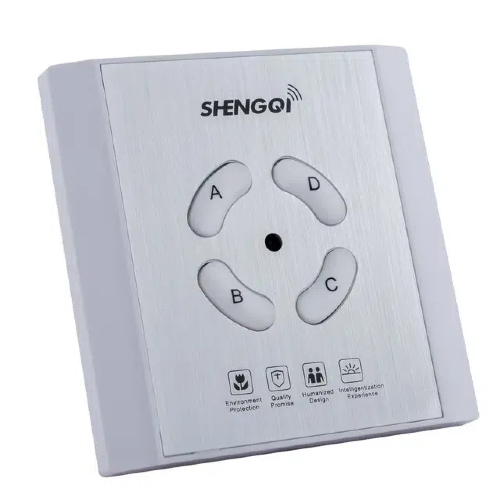
A Fan Light Controller is an essential device that controls both the speed of your ceiling fan and the brightness of the light fixture attached to it. This controller allows you to create the perfect atmosphere in your home, whether you're seeking a cool breeze on a hot day or a dimly lit ambiance for a cozy evening.
Choosing the right Fan Light Controller can have a significant impact on your home's comfort, energy efficiency, and convenience. With so many options available, selecting the best one for your needs can be overwhelming. This guide aims to walk you through the important factors to consider, helping you make an informed decision.
Key Factors to Consider When Choosing a Fan Light Controller
Compatibility with Existing Fixtures
Before you purchase a Fan Light Controller, it's crucial to ensure that it's compatible with your current ceiling fan and light fixture. AC and DC models have different wiring requirements, so you need to determine which type your fan supports. AC controllers work well with traditional fans, while DC controllers are designed for energy-efficient DC fans.
AC Fans: Most older and traditional ceiling fans use AC motors.
DC Fans: These are quieter, more energy-efficient, and generally found in newer models of ceiling fans.
Control Type: Physical vs. Smart Controls
Another important factor to consider is the type of control you'd prefer:
Physical Controls: These include wall-mounted switches, remotes, or pull chains. They offer direct, easy control over the fan and light settings.
Smart Controls: If you're building a smart home, consider a Wi-Fi or Bluetooth-enabled Fan Light Controller that integrates with systems like Amazon Alexa, Google Assistant, or a mobile app. These controllers allow for voice commands and remote control, offering convenience and ease.
Fan Speed Control
Most Fan Light Controllers offer multiple fan speed settings, but the range of settings can vary. Consider how much control you need over fan speed:
Basic Settings: Low, medium, and high speeds.
Advanced Settings: Some models offer more granular control with additional speeds or even continuous adjustments, allowing for precise air circulation.
Light Control Options
If you want more than just an on/off light, look for Fan Light Controllers with advanced lighting features. These can include:
Dimming: Adjust the light intensity to suit the time of day or your activity.
Color Temperature Adjustment: Some controllers allow you to change the light's color temperature from cool white to warm yellow, enhancing comfort and mood.
On/Off Functionality: For basic use, a simple on/off light control is sufficient.
Energy Efficiency
If energy savings are a priority for you, consider a DC Fan Light Controller. DC-powered fans use less energy compared to traditional AC-powered fans, which can save you money on your electricity bills over time. Additionally, DC controllers often feature smoother fan speed adjustments, leading to quieter, more efficient performance.
Understanding Different Types of Fan Light Controllers
AC Fan Light Controllers
Definition and Features
AC Fan Light Controllers are designed for ceiling fans that run on alternating current (AC). These controllers are compatible with most traditional fans and are usually less expensive than their DC counterparts.
How AC Controllers Work:
AC controllers adjust the fan speed by controlling the amount of electrical current supplied to the fan motor.
They also control the light’s brightness by dimming the power supplied to the light fixture.
Advantages of AC Fan Light Controllers:
Widely Compatible: Works with most older fans and traditional ceiling lights.
Easy Installation: These controllers are relatively easy to install, making them a good choice for DIY projects.
Cost-Effective: AC fan light controllers are typically more affordable than DC models.
Limitations:
Energy Efficiency: AC controllers are less energy-efficient compared to DC controllers.
Noise Levels: AC fans tend to be noisier, especially at higher speeds.
DC Fan Light Controllers
Definition and Features
DC Fan Light Controllers are designed for modern ceiling fans that operate on direct current (DC). These systems are often quieter and more energy-efficient than their AC counterparts.
How DC Controllers Work:
DC controllers adjust the speed of the fan by changing the voltage supplied to the motor, providing more precise control.
They also offer smooth dimming features and can adjust the color temperature of the light fixture.
Advantages of DC Fan Light Controllers:
Energy Efficiency: DC controllers are far more energy-efficient, helping you save on electricity costs over time.
Quieter Operation: DC fans are quieter due to more precise motor control.
Enhanced Comfort: They offer finer control over both fan speed and light brightness.
Limitations:
Higher Initial Cost: DC controllers tend to be more expensive than AC controllers.
Compatibility: Not all ceiling fans support DC controllers, and they require specific DC-powered fan motors.
Smart Fan Light Controllers
Definition and Features
Smart Fan Light Controllers are equipped with Wi-Fi or Bluetooth technology, allowing you to control the fan and light remotely through a mobile app, or by using voice commands with systems like Alexa or Google Assistant.
Advantages of Smart Fan Light Controllers:
Remote Control: You can control the fan and lights from anywhere using your smartphone.
Voice Control: Integrate with your smart home ecosystem to control your fan and lights hands-free.
Automation: Set schedules and timers, and automate the system to turn on/off at specific times.
Limitations:
Cost: Smart fan controllers are generally more expensive than standard AC or DC models.
Dependency on Wi-Fi: Smart controllers rely on a stable internet connection, and may not function well if your Wi-Fi is weak.
![Fan Light Controller]()
Evaluating Your Home’s Needs and Setting Priorities
Room Size and Usage
Consider the size of the room where you plan to install the Fan Light Controller:
Small Rooms: Basic controls might be enough for small rooms like bathrooms or small bedrooms.
Large Rooms: For larger spaces or areas requiring more precise control, a DC Fan Light Controller with finer speed adjustments and dimming features would be a better choice.
Lighting Preferences
Do you prefer adjustable lighting?
If you need bright light for reading or working, a dimmable light feature is essential.
If you enjoy a more relaxed, ambient atmosphere, look for a controller that allows you to adjust the color temperature to match your mood (e.g., cool white for productivity, warm white for relaxation).
Noise Sensitivity
If you are sensitive to noise, a DC Fan Light Controller may be the better option, as DC fans are known to operate more quietly than AC fans. This can be particularly important in bedrooms, offices, or libraries where quiet operation is essential.
Automation and Integration
For those who want to integrate their home’s Fan Light Controllers into a smart home system, Wi-Fi-enabled or Bluetooth controllers are the best options. They allow you to automate your home’s climate and lighting, control everything remotely via smartphone apps, and even use voice commands through devices like Amazon Alexa or Google Assistant.
Comparing Features: What to Look for in a Fan Light Controller
Speed Settings and Adjustments
When it comes to controlling your ceiling fan, more speed settings offer greater flexibility. Look for controllers that allow you to adjust the fan speed gradually. Some advanced models may offer infinite speed options, providing precise control over airflow.
Dimmer Functionality
Dimming functionality is one of the most sought-after features in a Fan Light Controller. This allows you to adjust the light’s brightness to match the time of day or activity. Look for controllers that offer smooth dimming without flickering.
Smart Control Features
Smart controls offer a significant convenience. Features such as:
Remote control via mobile apps
Voice control with Alexa, Google Assistant, or Siri
Automation with timers and schedules
These features add a layer of convenience and allow you to easily adjust your fan and light settings without moving from your seat.
Timers and Schedules
Some Fan Light Controllers come with built-in timers, which allow you to schedule when the fan or light should turn on or off. This feature is especially useful for energy savings, as it automatically manages your fan and light usage when you're not around.
Compatibility with Smart Home Systems
Ensure that your Fan Light Controller is compatible with your existing smart home setup. Popular systems like Amazon Alexa, Google Assistant, and Apple HomeKit allow you to control your fan and lights via voice commands or mobile apps.
Budget Considerations: How Much Should You Spend?
Affordable Options (AC Controllers)
For those on a budget, AC Fan Light Controllers offer a more affordable solution. They provide the essential functionalities—fan speed control and light dimming—at a lower price point.
Mid-Range Options (Basic DC Controllers)
DC Fan Light Controllers fall in the middle range, offering better energy efficiency, quieter operation, and enhanced control over both fan speed and light brightness. While more expensive than AC models, their long-term benefits make them a solid investment.
Premium Options (Smart Controllers)
Smart controllers come at a premium price but provide advanced features like remote control, voice activation, and home automation. These are ideal for those building a smart home or seeking maximum convenience.
Installation and Maintenance
Ease of Installation
AC Fan Light Controllers are generally easier to install and often come with detailed instructions. DIY installation is often possible.
DC and Smart Controllers may require professional installation, especially if you’re upgrading to a more advanced system.
Maintenance Requirements
While Fan Light Controllers are generally low maintenance, you should periodically clean the fan blades and ensure that the controller settings are functioning correctly. For smart controllers, check your Wi-Fi or Bluetooth connections regularly.
Troubleshooting Common Issues with Fan Light Controllers
Connectivity Problems with Smart Controllers
Fan Not Responding to Controller Adjustments
Issue: The fan does not adjust speed or turn on/off as expected.
Solution: Check for wiring issues, power supply problems, or controller malfunctions. Ensure compatibility between the fan and the controller.
Dimmer or Light Flickering Issues
Issue: The light flickers when dimmed or won’t dim smoothly.
Solution: This could be due to incompatible bulbs. Ensure that you’re using dimmable light bulbs and check the compatibility of your Fan Light Controller with the type of bulb you are using.
Conclusion
Choosing the right Fan Light Controller for your home depends on your unique preferences and needs. Whether you prioritize energy efficiency, ease of use, or smart home integration, there is a controller that can meet your requirements.
For homes that require basic functionality, AC controllers are a great choice. If you value energy efficiency and quiet operation, a DC controller might be more suitable. For those looking for modern, automated control, a smart controller offers the convenience and flexibility that modern smart homes demand.
For more information or personalized advice, visit Sankeytech Co., Ltd. to explore a wide range of high-quality Fan Light Controllers. With the right controller, you can create the perfect ambiance for every room in your home.