Introduction
When it comes to controlling both ceiling fans and lights, there are two primary options: Fan Light Controllers and traditional switches. While traditional switches have been the go-to for many years, Fan Light Controllers offer a modern, more efficient solution. This article will dive into a detailed comparison between these two options, examining their energy efficiency, comfort, ease of installation, and long-term benefits, helping you decide which is best for your home or business.
Understanding the Basics: Fan Light Controller vs Traditional Switch
What is a Fan Light Controller?
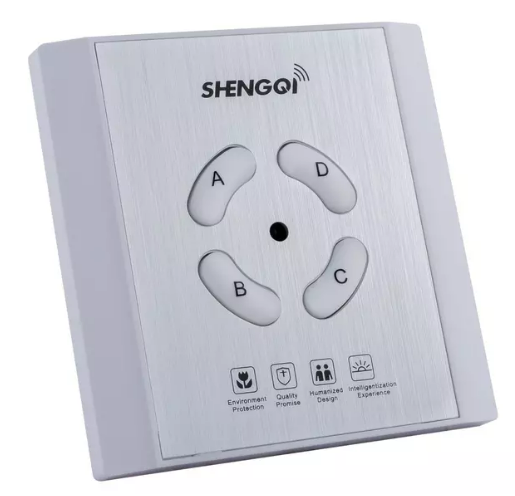
A Fan Light Controller is a modern device designed to manage both ceiling fan speed and light intensity. Unlike traditional switches that only allow basic control, Fan Light Controllers provide enhanced features, such as adjustable fan speeds, dimming capabilities for lights, and even smart integration. They offer users more control over their environment, allowing for energy savings and increased comfort.
Traditional Switch: The Classic Option
Traditional switches, whether they are simple on/off switches or fan speed regulators, offer basic control over your lighting and fan systems. These devices are typically installed on the wall and are manually adjusted, providing limited control over both the fan and light settings. Traditional switches are easy to use and inexpensive, but they lack advanced features like remote control, automation, or smart integration.
Feature | Fan Light Controller | Traditional Switch |
Control Over Fan Speed | Adjustable speeds for comfort | Fixed speeds or simple on/off |
Light Control | Dimming and intensity adjustments | On/off only |
Smart Integration | Compatible with smart home systems | No smart functionality |
Energy Efficiency | Helps save energy by controlling fan and light use | No energy-saving features |
Ease of Use | Remote control, scheduling, automation | Manual adjustment only |

Energy Efficiency: Fan Light Controller vs Traditional Switch
How a Fan Light Controller Saves Energy
Fan Light Controllers are designed to optimize energy use. By allowing users to adjust the fan speed based on the temperature or personal comfort levels, they avoid the waste associated with running the fan at full speed unnecessarily. Additionally, the dimming feature on lights helps reduce electricity consumption, particularly during the evening when full brightness is unnecessary. Scheduling features also ensure that both the fan and lights are off when not in use, further saving energy.
Energy Consumption in Traditional Switches
Traditional switches, by contrast, often lead to higher energy consumption. Ceiling fans typically run at a constant speed, regardless of whether it's necessary, and lights are usually left on at full intensity. This can waste electricity, especially in large spaces where lights and fans are used frequently. Traditional systems also lack automated features that would reduce unnecessary energy consumption.
Comfort and Convenience: Why Choose a Fan Light Controller?
Personalized Comfort with Adjustable Settings
A Fan Light Controller gives users the flexibility to control both the fan speed and lighting intensity, which enhances comfort in the home. Whether you want a gentle breeze while reading or a strong gust of air during the heat of summer, the ability to adjust the fan speed is a significant benefit. Similarly, dimming the lights for a movie night or brightening them for tasks like cooking adds to the convenience.
With automation and scheduling, you can also ensure that your fan and lights are set up just how you like them before you arrive home or as you prepare for bed. These features provide a level of comfort that traditional switches simply cannot match.
Comfort Limitations of Traditional Switches
Traditional switches lack the ability to provide customized control. If you're in the middle of a task and need to adjust the fan or light, you'll have to physically get up and adjust the switch. Traditional fan speed regulators also offer limited control, with only a few preset speed options, which means users may not have the fine-tuned comfort they desire. For homes with multiple rooms or floors, manually adjusting the switches can be an inconvenience.
Installation and Compatibility: Ease of Use and Setup
Fan Light Controller Installation
Installing a Fan Light Controller is generally straightforward, especially for smart versions that integrate with existing smart home systems such as Alexa or Google Assistant. Many models allow for simple replacements of traditional switches, making the upgrade process relatively easy. Smart controllers can be controlled via voice or apps, enhancing convenience. They also integrate well with other smart home devices, creating a cohesive and modern living environment.
Installing Traditional Switches
Traditional switches are easy to install and have been the standard in homes for many years. They are simple devices that do not require smart home integration. However, they are limited in functionality, offering no control over smart devices or the advanced scheduling that modern systems provide. Installation is less complex compared to a Fan Light Controller, but it also lacks the modern features of smart systems.
Device | Installation Complexity | Additional Notes |
Fan Light Controller | Easy for most models, with smart integrations | Requires compatibility with smart home systems |
Traditional Switch | Straightforward, basic setup | No smart integration available |
Cost Analysis: Fan Light Controller vs Traditional Switch
Initial Cost of Fan Light Controllers
While Fan Light Controllers may have a higher initial cost compared to traditional switches, the energy savings and increased functionality can make them a worthwhile investment in the long term. These controllers typically cost more upfront due to their smart features and advanced technology, but the long-term savings on electricity bills can offset the initial expense.
Affordability of Traditional Switches
Traditional switches are inexpensive and easy to install, making them a budget-friendly option for those who want basic fan and light control. However, their lack of energy-saving features means that over time, energy consumption may increase, leading to higher electricity bills. For users who are strictly cost-conscious and don’t mind limited functionality, traditional switches remain an affordable solution.
Long-Term Benefits and Sustainability
Sustainability of Fan Light Controllers
Fan Light Controllers are designed with energy efficiency in mind. They help reduce energy consumption through adjustable fan speeds, dimming lights, and scheduling features. These controllers also have a longer lifespan than traditional switches because they are built to accommodate the demands of modern smart homes, which helps reduce waste and support sustainability goals.
Sustainability of Traditional Switches
While traditional switches are reliable, they may not last as long as Fan Light Controllers due to the lack of energy-efficient features. The lack of smart integration or adjustable settings also means that users may be unable to reduce their energy consumption, which can contribute to a higher environmental impact over time.
Fan Light Controllers and Smart Home Integration
Smart Features in Fan Light Controllers
One of the standout features of Fan Light Controllers is their integration with smart home systems. These controllers can be controlled remotely via smartphone apps, voice assistants, or automation. Smart features like scheduling, motion detection, and energy monitoring make them an attractive option for tech-savvy homeowners looking for more convenience and control.
Traditional Switches: Limited Functionality
Traditional switches lack smart integration, meaning they can only provide basic on/off control. For users looking for a more connected and modern home, traditional switches may feel outdated compared to Fan Light Controllers with smart functionality. These systems provide a level of convenience that traditional options cannot.
Real-Life Applications and Use Cases
When to Choose a Fan Light Controller
If you're living in a smart home, or if you value energy efficiency, convenience, and modern features, Fan Light Controllers are an excellent choice. They allow for remote control, customization, and automation, making them ideal for tech-savvy users or those looking to improve comfort while reducing their environmental impact.
When Traditional Switches are Sufficient
If you're on a budget or live in an environment where advanced smart features are not a priority, traditional switches can provide a simple and effective solution. For basic fan control and lighting, traditional switches are a reliable option that will serve the purpose without the need for upgrades or additional features.
Conclusion
In summary, Fan Light Controllers offer numerous benefits over traditional switches, including better energy efficiency, increased comfort, and smart home integration. While traditional switches are budget-friendly and easy to install, they lack the convenience and long-term energy savings provided by Fan Light Controllers. Ultimately, the choice comes down to your priorities: if you want a more efficient, comfortable, and connected living space, upgrading to a Fan Light Controller is the right decision. GUANGDONG SHUNDE SANKEY ELECTRONIC TECHNOLOGY CO. LTD offers high-quality Fan Light Controllers that bring both value and innovation to modern homes and businesses.
FAQ
Q: What is a Fan Light Controller?
A: A Fan Light Controller is a device that allows users to control both ceiling fan speed and light intensity. It offers features like smart control, energy efficiency, and convenience.
Q: How does a Fan Light Controller save energy?
A: A Fan Light Controller saves energy by allowing users to adjust the fan speed and dim the lights, reducing unnecessary power consumption when full speed or brightness is not needed.
Q: What are the benefits of using a Fan Light Controller over a traditional switch?
A: Fan Light Controllers offer better energy efficiency, adjustable fan speeds, and light dimming, while traditional switches lack these features, offering only basic on/off functionality.
Q: Is it easy to install a Fan Light Controller?
A: Yes, installing a Fan Light Controller is generally straightforward, especially with smart models that integrate with existing home automation systems.
Q: Why should I choose a Fan Light Controller over a traditional switch?
A: If you value energy savings, comfort, and convenience, a Fan Light Controller is the better choice. It offers smarter control, while traditional switches are more limited in functionality.