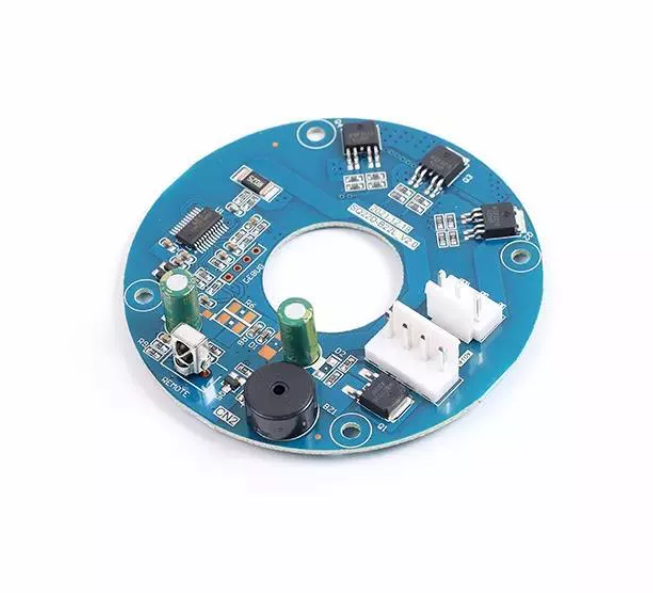
Have you ever wondered what makes your electronic devices function? The answer lies in a crucial component called PCBA, or Printed Circuit Board Assembly.
This process is vital for assembling electronic components, ensuring devices perform reliably.
In this article, you’ll learn about the definition of PCBA and its essential role in electronics.
Introduction to PCBA
Definition of PCBA
PCBA stands for Printed Circuit Board Assembly. It is the process of assembling electronic components onto a printed circuit board (PCB). This assembly transforms a bare PCB into a fully functional electronic unit.
PCBA is crucial in modern electronics. It ensures that devices like smartphones, computers, and appliances operate effectively. Without PCBA, our electronic devices would lack the necessary connections and functionalities.
Here’s a quick overview of what PCBA includes:
Component | Description |
PCB | The base layer providing insulation and pathways. |
Electronic Components | Resistors, capacitors, and integrated circuits. |
Assembly Processes | Techniques like soldering to attach components. |
The Role of PCBA in Electronics
PCBA serves as the core hardware platform for electronic devices. It connects various components, enabling them to communicate and function together. This integration is vital for the overall performance of any electronic product.
The quality of PCBA directly impacts device stability. A well-assembled PCBA can enhance reliability and longevity, while poor assembly can lead to failures. For example, if a solder joint is weak, it may cause intermittent connections, leading to device malfunctions.
Here are some key points about the role of PCBA:
● Signal Transmission: PCBA allows signals to pass between components, enabling functionality.
● Performance Optimization: High-quality PCBA can improve the speed and efficiency of devices.
● Durability: Proper assembly techniques enhance resistance to environmental factors like heat and moisture.
By understanding PCBA, you gain insight into the backbone of your favorite electronic devices. It’s not just about the components; it’s about how they work together seamlessly.

The PCBA Process
Overview of the PCBA Manufacturing Process
The PCBA manufacturing process involves several crucial steps. Each step is designed to ensure that the final product meets high standards of quality and functionality. Typically, the process begins with preparing the bare PCB, followed by applying solder paste, placing components, soldering, and finally inspecting the assembly.
Here’s a simplified flow of the PCBA process:
Step | Description |
1. PCB Preparation | Cleaning and prepping the bare PCB for assembly. |
2. Solder Paste Application | Applying solder paste to designated areas. |
3. Component Placement | Positioning components on the PCB. |
4. Soldering | Securing components to the PCB. |
5. Inspection and Testing | Ensuring quality through rigorous checks. |
Key Steps in the PCBA Process
Solder Paste Application
The first key step is applying solder paste to the PCB. This paste, a mixture of tiny solder balls and flux, is essential for creating strong electrical connections. The application is usually done using a stencil, which ensures that the paste is only applied to the specific pads where components will be placed.
This process is critical because the right amount of solder paste influences the quality of the solder joints. Too much paste can lead to bridging, while too little can cause weak connections.
Pick and Place
Next, we move to the pick and place process. Automated machines precisely pick components from reels or trays and place them onto the PCB. This step requires high accuracy, as even a slight misplacement can result in faulty assemblies.
Here’s how it works:
1. Vision Systems: Machines use cameras to identify the correct locations for components.
2. Placement Accuracy: High-speed placement ensures efficiency and precision.
3. Component Types: The process accommodates various components, from small resistors to larger integrated circuits.
Soldering Techniques
Soldering is where the magic happens. Two popular techniques are Surface Mount Technology (SMT) and Through-Hole Technology (THT).
● Surface Mount Technology (SMT): Components are mounted directly onto the surface of the PCB. This method allows for a compact design and is widely used in modern electronics.
● Through-Hole Technology (THT): Components are inserted through holes in the PCB and soldered on the opposite side. This technique provides stronger mechanical connections, making it suitable for larger components.
Both methods play a critical role in the assembly process, and often, a combination of both is used to achieve optimal results.
Inspection and Testing
Finally, inspection and testing ensure that the PCBA meets quality standards. Various methods are employed, including Automated Optical Inspection (AOI) and X-ray inspection. These techniques help identify defects like misaligned components or soldering issues.
SANKEY emphasizes rigorous quality control, implementing a five-stage inspection process. This includes:
1. Initial Inspection: Checking the PCB before component placement.
2. Mid-Process Checks: Verifying component placement accuracy.
3. Post-Soldering Inspection: Assessing the quality of solder joints.
4. Functional Testing: Ensuring that the assembled board operates correctly.
5. Final Quality Assurance: A comprehensive review before shipping.
These steps help guarantee that each PCBA produced is reliable and ready for use in various electronic devices.
Components of PCBA
What Makes Up a PCBA?
A Printed Circuit Board Assembly (PCBA) consists of various components that work together to perform electronic functions. Understanding these components is essential for grasping how a PCBA operates. Here’s a detailed breakdown of the most common components found in a typical PCBA:
Component | Function |
Resistors | Control the flow of electric current. |
Capacitors | Store and release electrical energy. |
Integrated Circuits (ICs) | Miniaturized circuits that perform specific tasks. |
Diodes | Allow current to flow in one direction only. |
Inductors | Store energy in a magnetic field when current flows through them. |
These components are crucial for the functionality of electronic devices. For instance, resistors limit current, while capacitors smooth out power supply fluctuations. Integrated circuits combine multiple functions into one compact unit, making them vital for complex operations.
Types of Components Used in PCBA
PCBA components can be categorized into two main types: passive and active components. Understanding the differences between these types helps in selecting the right components for specific applications.
Passive Components
Passive components do not require external power to operate. They rely on the electrical signals passing through them. Here are some key examples:
● Resistors: Limit current and divide voltages.
● Capacitors: Store energy and filter signals.
● Inductors: Store energy in a magnetic field.
These components play a supportive role, helping to manage power and signal quality.
Active Components
Active components, on the other hand, require an external power source to function. They can amplify signals or control current flow. Here are some common active components:
● Transistors: Act as switches or amplifiers.
● Integrated Circuits (ICs): Perform specific functions like processing data.
● Diodes: Control the direction of current flow.
The selection of components is vital for ensuring high-quality performance and functionality in any PCBA. Choosing the right mix of passive and active components can significantly affect the efficiency and reliability of the final product.
In summary, understanding the components of PCBA and their roles is essential for designing effective electronic devices. Each component contributes to the overall functionality, ensuring that devices operate smoothly and reliably.
Applications of PCBA
Where is PCBA Used?
PCBA plays a crucial role across a variety of industries. Its versatility makes it indispensable in several sectors, including:
Industry | Applications |
Consumer Electronics | Smartphones, tablets, and laptops. |
Medical Devices | Equipment like monitors and diagnostic tools. |
Automotive | Control systems for vehicles, including sensors. |
Industrial | Machinery and control systems for manufacturing. |
In each of these industries, PCBA is essential for ensuring that devices operate effectively and reliably. For instance, in consumer electronics, the compact nature of PCBA allows for sleek designs in smartphones and tablets, while in medical devices, it ensures precision and accuracy in critical diagnostics.
Examples of PCBA Applications
Let’s take a closer look at specific products that rely heavily on PCBA technology.
1. Smartphones: These devices contain multiple PCBA assemblies, integrating various components such as processors, memory, and communication modules. This integration enables seamless functionality, from calling to browsing the internet.
2. Medical Monitors: In medical settings, monitors use PCBA to process vital signs and display real-time data. The reliability of PCBA in these devices is crucial, as accurate readings can be life-saving.
3. Household Appliances: SANKEY focuses on PCBA for household appliances, particularly in fan control applications. Here, PCBA manages functions like speed control and energy efficiency. This not only enhances user experience but also contributes to energy savings.
Product | PCBA Role |
Smartphones | Integrates communication and processing functions. |
Medical Monitors | Processes and displays vital signs accurately. |
Fans | Controls speed and efficiency in operation. |
The applications of PCBA are vast and varied. From enhancing everyday consumer products to ensuring the safety and efficacy of medical devices, it is clear that PCBA is at the heart of modern technology. Its importance cannot be overstated, as it directly impacts performance and reliability across numerous fields.
Quality Control in PCBA
Importance of Quality in PCBA
Quality assurance is critical in PCBA manufacturing for several reasons. First, the reliability of electronic devices depends heavily on the quality of their components and assembly. A single defect in a PCBA can lead to device failure, impacting performance and user satisfaction. Moreover, in industries like medical devices and automotive, where safety is paramount, ensuring high-quality standards is non-negotiable.
Here’s why quality matters:
● Reliability: High-quality PCBA ensures that devices function correctly over time, reducing the likelihood of malfunctions.
● Safety: In critical applications, such as healthcare, quality control can be a matter of life and death.
● Cost Efficiency: Investing in quality reduces the costs associated with returns, repairs, and warranty claims.
Quality Assurance Processes
To maintain high standards, manufacturers implement rigorous quality assurance processes. SANKEY, for example, follows a five-stage quality check system before products leave the factory. Here’s a breakdown of these stages:
Stage | Description |
1. Initial Inspection | Checking raw materials for defects. |
2. In-Process Inspection | Monitoring assembly processes for accuracy. |
3. Post-Assembly Inspection | Evaluating solder joints and component placement. |
4. Functional Testing | Ensuring that the PCBA operates as intended. |
5. Final Quality Check | Comprehensive review before shipping. |
Each stage is designed to catch potential issues early, ensuring that only high-quality products reach customers.
Conformal Coating
An essential part of quality control is the application of conformal coating, often referred to as "three-proof paint." This protective layer is applied to the PCBA to shield it from moisture, dust, and corrosion.
Benefits of Conformal Coating:
● Moisture Protection: Prevents damage from humidity and liquid exposure.
● Dust Resistance: Keeps contaminants from interfering with electrical connections.
● Corrosion Prevention: Extends the lifespan of the PCBA by protecting metal components.
By implementing these quality assurance processes and protective measures, manufacturers can significantly enhance the durability and reliability of their PCBA products. This commitment to quality not only satisfies customer expectations but also reinforces brand reputation in the competitive electronics market.
Advantages of Choosing High-Quality PCBA
Benefits of Reliable PCBA
Opting for high-quality PCBA significantly impacts product performance and longevity. When manufacturers invest in superior components and assembly processes, they create devices that not only function better but also last longer. Here’s how reliable PCBA translates into tangible benefits:
Benefit | Description |
Enhanced Performance | High-quality PCBA ensures that devices operate efficiently, reducing the risk of errors and malfunctions. |
Increased Longevity | Durable materials and precise assembly extend the lifespan of electronic products, providing better value to consumers. |
Lower Maintenance Costs | Reliable PCBA reduces the frequency of repairs, leading to lower overall maintenance costs for manufacturers and users alike. |
Improved User Satisfaction | Devices that perform consistently well foster positive user experiences, enhancing brand loyalty. |
For instance, a smartphone with a high-quality PCBA can handle demanding applications without lagging, while a medical device can provide accurate readings without failure. This reliability is crucial in maintaining customer trust and satisfaction.
Customization Options in PCBA
Customization is another significant advantage when choosing a high-quality PCBA provider. Companies like SANKEY offer tailored PCBA solutions to meet specific needs. This flexibility allows businesses to integrate unique functionalities that cater to their target market.
Tailored Functions
For example, SANKEY specializes in customizing PCBA for ceiling fans, enabling features such as:
● Speed Control: Adjusting fan speeds based on user preferences or environmental conditions.
● Smart Integration: Allowing fans to connect with smart home systems for enhanced control.
● Energy Efficiency: Implementing features that optimize energy consumption, reducing costs for users.
This level of customization not only enhances the functionality of the product but also differentiates it in a competitive marketplace. By providing tailored solutions, companies can better address customer needs and preferences, ultimately leading to increased sales and customer loyalty.
In summary, the advantages of high-quality PCBA extend beyond immediate performance benefits. They encompass long-term value, user satisfaction, and the ability to customize products, making them essential for any company looking to thrive in today's electronics market.

Challenges in PCBA Manufacturing
Common Issues in PCBA Production
PCBA manufacturing is not without its challenges. Several common issues can arise during production, impacting the overall quality and efficiency of the process. Understanding these challenges is crucial for manufacturers aiming to deliver high-quality products.
Challenge | Description |
Component Sourcing | Difficulty in obtaining high-quality components on time, especially during shortages. |
Manufacturing Defects | Issues such as misalignment, soldering problems, or component failures can occur during assembly. |
Design Complexity | Increasing complexity in designs can lead to higher chances of errors and longer production times. |
Quality Control | Ensuring consistent quality throughout the production process can be challenging, particularly with varying suppliers. |
For instance, component sourcing has become increasingly difficult due to global supply chain disruptions. This can delay production schedules and lead to increased costs. Additionally, manufacturing defects, even minor ones, can result in significant setbacks, requiring rework or scrapping of assemblies.
Solutions to Overcome PCBA Challenges
To effectively address these challenges, manufacturers can implement several strategies that promote smooth production and high-quality output. Here are some key solutions:
1. Robust Supplier Relationships: Building strong partnerships with multiple suppliers can mitigate risks associated with component shortages. This approach ensures a steady supply of high-quality materials, reducing delays.
2. Advanced Quality Control Measures: Implementing stringent quality control processes at every stage of production helps catch defects early. Techniques such as Automated Optical Inspection (AOI) and functional testing can significantly enhance quality assurance.
3. Design for Manufacturability (DFM): Adopting DFM principles during the design phase can simplify assembly and reduce the likelihood of manufacturing defects. This includes creating designs that are easier to assemble and test.
4. Continuous Training: Regularly training staff on the latest manufacturing techniques and quality standards ensures that everyone is equipped to handle complex tasks efficiently. A well-trained workforce is key to minimizing errors.
Strategy | Benefit |
Robust Supplier Relationships | Ensures reliable access to components. |
Advanced Quality Control | Reduces defects and enhances product reliability. |
Design for Manufacturability | Simplifies production and minimizes errors. |
Continuous Training | Keeps staff updated on best practices. |
By proactively addressing these challenges, manufacturers can enhance their production processes, leading to higher quality PCBA products. Implementing these strategies not only improves efficiency but also strengthens the overall reliability of electronic devices.
Conclusion
PCBA is vital in electronics, enabling devices to function effectively. Its applications span various industries, including consumer electronics and medical devices.
When selecting a reliable PCBA supplier, prioritize quality, customization, and support. Consider SANKEY for your PCBA needs, as it offers comprehensive solutions and a strong commitment to quality.
FAQ
Q: What is the difference between PCB and PCBA?
A: PCB refers to the bare circuit board, while PCBA includes all components soldered onto the PCB.
Q: How long does the PCBA process take?
A: The PCBA process duration varies based on complexity, typically ranging from a few days to several weeks.
Q: What industries benefit the most from PCBA?
A: Industries such as consumer electronics, medical devices, automotive, and industrial sectors benefit significantly from PCBA.
Q: Can PCBA be customized for specific applications?
A: Yes, PCBA can be tailored to meet specific needs, including unique functionalities for different devices.
Q: What are the environmental standards for PCBA manufacturing?
A: PCBA manufacturing must comply with standards like RoHS, which restrict harmful substances in electronic products.
Q: How does SANKEY ensure the quality of its PCBA products?
A: SANKEY employs rigorous quality control processes, including multiple inspection stages and advanced testing techniques.