Have you ever wondered how brushless motors power our everyday devices? These innovative motors are crucial in modern technology. In this article, we'll explore what brushless DC motors are and how they work. You'll also learn about their key components, advantages, and applications, featuring brands like SANKEY that excel in this field.
Understanding Brushless DC Motors
What Are the Key Components of a Brushless DC Motor?
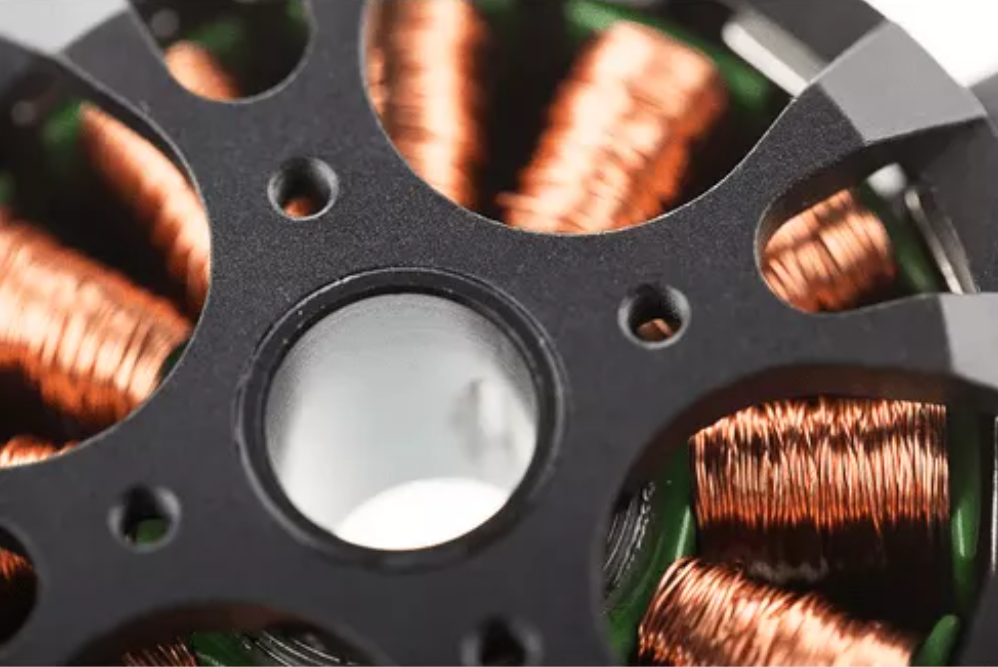
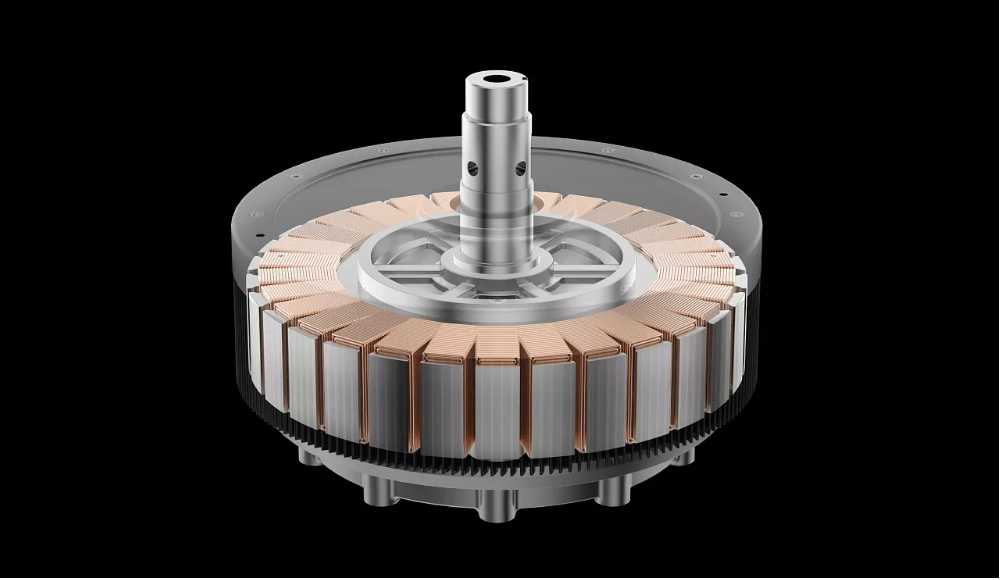
A brushless DC motor consists of several key components that work together to create efficient motion.
● Stator: The stationary part includes coils of wire wound in specific configurations. These configurations can be:
○ Single-phase: Common in simple applications.
○ Two-phase: Offers better performance than single-phase.
○ Three-phase: Most efficient; widely used in high-performance applications.
The rotor is the rotating part of the motor, typically made with permanent magnets. These magnets can be crafted from high-performance materials like neodymium iron boron, which enhance the motor's efficiency and power output. Brands like SANKEY utilize these advanced materials to ensure their motors perform exceptionally well.
Another essential component is the Electronic Speed Controller (ESC). This device acts as the brain of the motor, controlling the power supplied to the stator coils. It adjusts the current flow based on the rotor's position, allowing for smooth and precise operation.
Lastly, sensors play a crucial role in brushless motors. Commonly, Hall effect sensors are used to detect the rotor's position. These sensors provide real-time data to the ESC, ensuring the motor operates efficiently and accurately.
How Do Brushless DC Motors Differ from Brushed Motors?
When comparing brushless motors to brushed motors, several key differences emerge.
● Design: Brushless motors eliminate the need for physical brushes, relying instead on electronic commutation. This reduces wear and tear significantly.
● Efficiency: Brushless motors can achieve up to 90% efficiency, while brushed motors typically range from 75-80%. This efficiency translates into lower energy consumption and cost savings.
Feature | Brushless Motors | Brushed Motors |
Efficiency | Up to 90% | 75-80% |
Longevity | Longer service life | Shorter lifespan |
Maintenance Requirements | Low maintenance | Higher maintenance needs |
The longevity of brushless motors is another significant advantage. Since there are no brushes to wear out, these motors tend to have a longer lifespan. This means fewer replacements and lower overall costs for users.
● Maintenance: Brushless motors require significantly less maintenance, making them ideal for applications where reliability is crucial.
In summary, understanding the components and differences between brushless and brushed motors highlights why brushless motors are often the preferred choice in various applications. Their efficiency, durability, and reduced maintenance needs make them a smart investment for many industries.

The Working Principle of Brushless DC Motors
Step-by-Step Explanation of How Brushless DC Motors Work
Understanding how brushless DC motors operate involves several key steps.
● Energizing the Coils: The Electronic Speed Controller (ESC) plays a vital role here. It sends electrical signals to the stator coils, energizing them. This process creates a rotating magnetic field, which is essential for motor function.
● Magnetic Interaction: Once the coils are energized, a magnetic field is generated. This field interacts with the rotor's permanent magnets. The opposing and attracting forces between these magnets produce torque, causing the rotor to spin.
● Electronic Commutation: Unlike traditional brushed motors, brushless motors use electronic commutation. As the rotor moves, the ESC continuously adjusts the current flowing through the stator coils. This ensures the magnetic field always pulls the rotor forward, maintaining smooth rotation without any mechanical brushes.
● Continuous Rotation: The combination of energized coils and precise electronic commutation allows for seamless motion. The rotor spins continuously, providing consistent power output. This design eliminates the friction and wear associated with mechanical brushes, enhancing efficiency and longevity.
Types of Brushless DC Motors
Brushless DC motors come in various designs, each suited for specific applications.
● Inrunner Motors: These motors have their rotor inside the stator. They are known for their high-speed capabilities, making them ideal for applications like RC cars and high-performance drones. Their compact design allows for efficient operation in limited spaces.
● Outrunner Motors: In contrast, outrunner motors feature a rotor that spins around the stator. This design typically provides higher torque, making them perfect for applications such as drones and e-bikes. The outer rotor can generate more power while maintaining a lightweight structure.
Type of Motor | Characteristics | Applications |
Inrunner Motors | High speed, compact design | RC cars, racing drones |
Outrunner Motors | High torque, lightweight, efficient | Drones, electric bicycles |
When comparing inrunner and outrunner motors, each has its pros and cons. Inrunner motors excel in speed but may lack torque at lower RPMs. Outrunner motors provide excellent torque but can be bulkier. Depending on your application needs, choosing the right type is essential for optimal performance.
By understanding these principles and types, you can appreciate the sophistication of brushless DC motors and their applications in various technologies.
Applications of Brushless DC Motors
Where Are Brushless DC Motors Commonly Used?
Brushless DC motors are increasingly popular across various industries due to their efficiency and reliability.
● Industrial Applications: In factories, these motors drive automation equipment and power tools. They are used in conveyor systems, robotic arms, and CNC machines, where precise control and high efficiency are crucial. The ability to operate continuously without overheating makes them ideal for demanding industrial environments.
● Household Appliances: You might be surprised to learn that brushless motors are found in many everyday appliances. For example, they power vacuum cleaners and hair dryers. These motors operate quietly and efficiently, reducing energy consumption while providing powerful performance. This is particularly beneficial in homes where noise levels are a concern.
● Consumer Electronics: Brushless motors are also common in consumer electronics. They power small robots, drones, and electric bicycles, providing the necessary speed and torque for optimal performance. The lightweight design of brushless motors allows for greater maneuverability in devices like drones, enhancing their flight capabilities.
● Automotive and Aerospace Applications: In the automotive and aerospace sectors, reliability and performance are critical. Brushless motors are used in electric vehicles, where they drive the wheels and control systems. Their efficient operation helps extend battery life, making them essential for electric cars. In aerospace, these motors are utilized in various applications, including actuators and control systems, where precision is paramount.
Benefits of Using Brushless DC Motors in Various Industries
The advantages of brushless DC motors extend beyond just their applications.
● Energy Efficiency: One of the key benefits of brushless motors is their energy efficiency. These motors can reduce energy costs significantly, often achieving efficiency ratings of over 90%. This efficiency not only lowers electricity bills but also contributes to a smaller carbon footprint.
● Low Noise Operation: Brushless motors operate much more quietly than their brushed counterparts. This feature is particularly important in noise-sensitive environments, such as medical equipment or office spaces. The reduced noise level enhances user comfort and satisfaction, making brushless motors a preferred choice in many applications.
● Reduced Maintenance Needs: Another significant advantage is the lower maintenance requirements of brushless motors. Since they lack brushes, there is less wear and tear, leading to fewer breakdowns and repairs. This translates to lower operational costs over time, allowing businesses to allocate resources more effectively.
Application Area | Key Benefits |
Industrial | High efficiency, continuous operation |
Household Appliances | Low noise, energy savings |
Consumer Electronics | Lightweight, high performance |
Automotive/Aerospace | Reliability, precision, extended battery life |
With these benefits, it's clear why brushless DC motors are becoming the go-to choice across various sectors. Their unique features enable them to meet the demands of modern technology while providing significant advantages over traditional motor types.
Advantages of Brushless DC Motors
Why Choose Brushless Motors?
Brushless DC motors offer a range of compelling benefits, making them an excellent choice for various applications. Here’s a detailed exploration of their key advantages.
● Higher Efficiency Rates: One of the standout features of brushless motors is their efficiency. They typically operate at efficiency rates of 85-90%. This high efficiency means less energy wasted as heat, resulting in lower electricity costs and better performance in applications requiring continuous operation.
● Longer Lifespan: Unlike traditional motors, brushless motors do not have brushes or commutators. This absence significantly reduces wear and tear, leading to a much longer lifespan. Many brushless motors can last several years longer than their brushed counterparts, which often need frequent replacements.
● Precision Control: Brushless motors utilize electronic commutation along with sensors, allowing for precise control of speed and torque. This capability is crucial in applications like robotics and CNC machines, where accuracy is vital. The ability to finely tune performance enhances the overall functionality of the devices they power.
● Quieter Operation: The absence of physical contact between brushes and commutators results in quieter operation. Brushless motors produce minimal noise, making them ideal for environments where noise levels must be kept low, such as in medical equipment or home appliances. This quiet performance enhances user comfort and satisfaction.
Advantage | Description |
Efficiency | Operates at 85-90%, reducing energy costs |
Lifespan | Longer life due to no brushes or commutators |
Precision Control | Enables accurate speed and torque adjustments |
Quiet Operation | Minimal noise, ideal for sensitive environments |
With these advantages, brushless DC motors stand out as a superior option for both industrial and consumer applications. Their combination of efficiency, durability, and performance makes them a popular choice in modern technology.
Challenges and Considerations
What Are the Limitations of Brushless DC Motors?
While brushless DC motors offer many advantages, they also come with some limitations that potential users should consider.
● Initial Cost Considerations: One of the main drawbacks is the higher manufacturing cost. Brushless motors are generally more expensive than brushed motors due to their complex design and the materials used. This initial investment can be a barrier for some applications, especially in cost-sensitive industries.
● Complexity of Control Systems: Brushless motors require specialized controllers for operation. Unlike brushed motors, which can run directly from a power source, brushless motors need electronic speed controllers (ESCs) to manage their performance. This adds complexity to the setup and may require additional technical expertise, which can increase overall project costs.
● Cooling Requirements: For high-performance applications, managing heat is crucial. Brushless motors can generate significant heat during operation, especially under heavy loads. Proper cooling systems must be implemented to prevent overheating, which can lead to reduced efficiency or even damage. This need for effective heat management can complicate the design and increase costs.
Limitation | Description |
Initial Cost | Higher manufacturing costs than brushed motors |
Control Complexity | Requires specialized controllers and setup |
Cooling Needs | Essential for managing heat in high-performance use |
How to Choose the Right Brushless Motor for Your Needs
Selecting the appropriate brushless motor involves several factors to ensure optimal performance for your application.
● Factors to Consider: When choosing a brushless motor, it’s essential to evaluate the size, power requirements, and specific application needs. For instance, larger applications may require motors with higher torque and power ratings, while smaller devices might prioritize compactness and weight.
● Tips for Evaluating Motor Specifications: Understanding motor specifications is crucial. Pay close attention to torque and speed ratings, as these metrics determine how well the motor will perform for your specific tasks. A motor with high torque but low speed may be ideal for heavy lifting, while one with high speed but lower torque might suit applications like fans or pumps.
Specification | Importance |
Torque Rating | Determines the motor's ability to perform work |
Speed Rating | Indicates how fast the motor can operate |
Size and Weight | Affects installation and application fit |
By carefully considering these factors and limitations, you can make an informed decision when selecting a brushless motor that meets your requirements effectively.

Future Trends in Brushless DC Motor Technology
What Innovations Are on the Horizon?
The future of brushless DC motor technology is bright, with several exciting innovations on the way that promise to enhance performance and efficiency.
● Advances in Materials and Design: One of the most significant trends is the development of lighter and more efficient materials. Innovations in magnetic materials, such as high-energy-density magnets, are making motors smaller while boosting their power output. This means we can expect motors that not only weigh less but also deliver better performance, making them ideal for applications in electric vehicles and portable devices.
● Integration with Smart Technology and IoT: As the Internet of Things (IoT) continues to expand, brushless motors are becoming smarter. By integrating connectivity features, these motors can communicate with other devices and systems. This connectivity allows for real-time monitoring and diagnostics, enabling predictive maintenance and optimizing performance based on operational conditions. Imagine a brushless motor that adjusts its speed and torque automatically based on load conditions, enhancing efficiency and extending lifespan.
● Potential for Improved Energy Efficiency and Performance: Future developments in brushless motor technology are likely to focus on maximizing energy efficiency. Researchers are exploring advanced control algorithms and better cooling techniques to minimize energy loss. Enhanced energy efficiency will not only reduce operational costs but also contribute to sustainability efforts by lowering overall energy consumption.
Innovation Area | Potential Impact |
Materials and Design | Lighter, more powerful motors for various applications |
Smart Technology | Real-time monitoring and adaptive performance |
Energy Efficiency | Reduced energy consumption and operational costs |
With these innovations on the horizon, brushless DC motors are set to become even more integral to modern technology. Their adaptability and efficiency will likely lead to broader applications across industries, pushing the boundaries of what is possible in motor technology.
Conclusion
Brushless DC motors operate efficiently through electronic commutation. They offer advantages like higher efficiency, longer lifespan, and quieter operation.
These motors are ideal for various applications, from household appliances to industrial machinery.
Consider integrating brushless motors into your projects for enhanced performance.
For more information, explore resources or contact us. Brands like SANKEY provide reliable brushless motor solutions.